How to Start Selling Products Online on a Low Budget
A practical, step-by-step roadmap for launching your first online store without draining your savings — from validating an idea to landing your first paying customers.
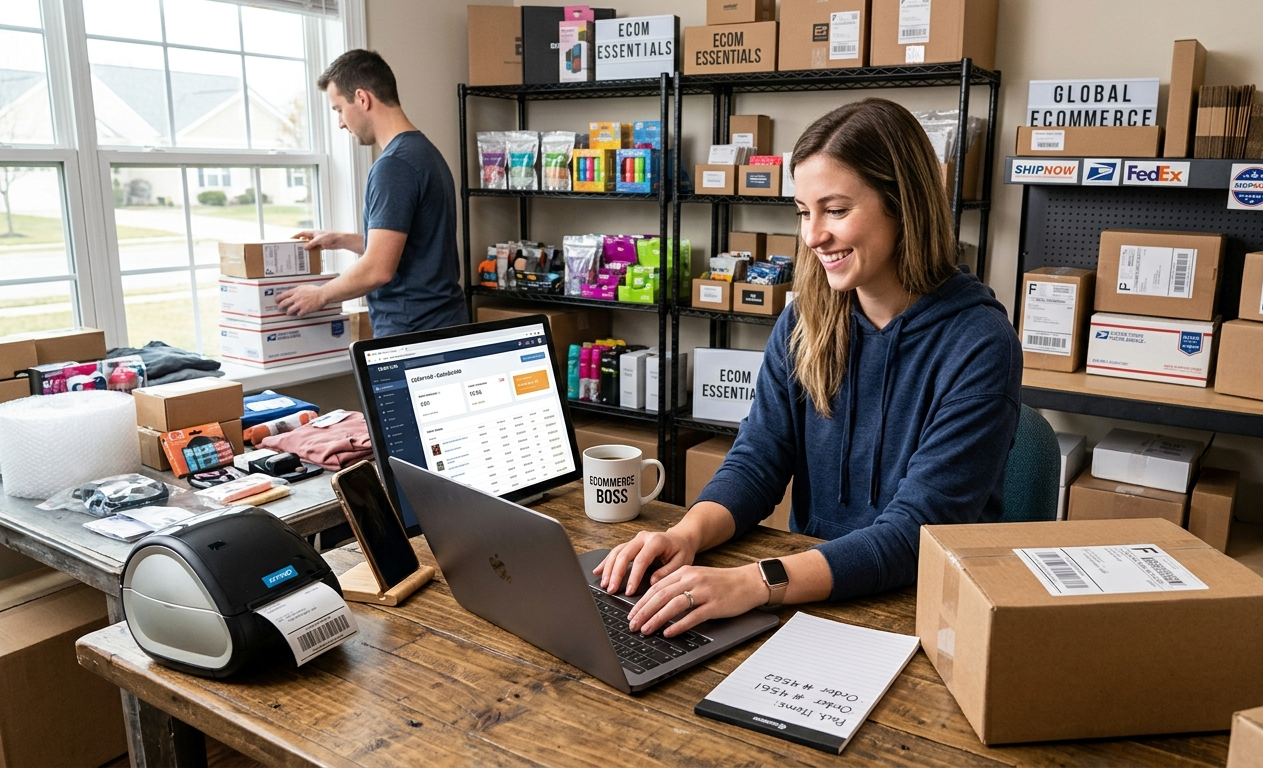
Starting an online store used to demand a warehouse, bulk inventory, and a marketing budget only established brands could afford. That is no longer the reality. Today you can validate an idea, build a store, and reach your first customers for the price of a few coffees a month. The catch is that a small budget leaves little room for expensive mistakes, so every decision has to be deliberate. This guide walks through a lean, low-risk path from idea to first sale.
Start with validation, not inventory
The most common way new sellers lose money is buying stock before confirming anyone wants it. Flip the order: prove demand first, spend later. Search Google Trends and marketplace bestseller lists to see whether interest is growing or fading. Read reviews of similar products to find recurring complaints — those gaps are your opportunity. Then test the idea cheaply by posting in relevant communities, running a small poll, or building a one-page "coming soon" site and measuring how many people sign up. If nobody reacts to a free offer, they are unlikely to pay.
Pick a business model that protects your cash
Your starting capital should shape your model. A few options keep upfront costs near zero:
- Dropshipping: you list products and only buy from a supplier after a customer pays. No inventory risk, but thinner margins and less control over shipping.
- Print on demand: designs are printed on mugs, shirts, or posters only when ordered. Ideal if your edge is creativity rather than capital.
- Handmade or digital products: if you can make it yourself — crafts, templates, ebooks, presets — your main investment is time, and digital goods cost nothing to "restock."
- Reselling and arbitrage: source discounted or secondhand items locally and resell online. Margins can be strong if you find the right sources.
For most people on a tight budget, print on demand or digital products offer the gentlest learning curve because there is no inventory to manage.
Find your first product
Resist the urge to sell everything. A focused niche is easier and cheaper to market because your message speaks to a specific person. Look for products that solve a clear problem, are lightweight and cheap to ship, are not dominated by giant brands, and that you can describe with genuine enthusiasm. Price matters too: an item between roughly the cost of a lunch and a dinner is often the sweet spot — expensive enough to be worth your effort, cheap enough for an impulse purchase.
Build a store without overspending
You do not need a custom website on day one. Begin where it is cheapest to start:
- Marketplaces like Etsy or eBay come with built-in traffic, so you can validate sales before paying for your own site.
- Social selling through an Instagram or TikTok shop lets you sell directly to an audience you can grow for free.
- A lightweight store builder becomes worthwhile once orders are steady and you want to own your brand and customer data.
Whatever you choose, invest your energy in the things that actually convert: clear, well-lit product photos (a phone and natural light are enough), honest descriptions that answer real questions, and a checkout that feels safe and simple.
Market on a shoestring
With little money, your most powerful tool is consistent organic effort. Create short, helpful content around your niche — quick tips, behind-the-scenes clips, before-and-after results — and post regularly on one or two platforms rather than spreading yourself thin. Engage genuinely in communities where your buyers already gather; being useful earns trust that ads cannot buy. Collect email addresses from day one, because email costs almost nothing and consistently outperforms social media for repeat sales. When you do test paid ads, start with a tiny daily budget, send traffic to your single best product, and only scale what proves profitable.
Manage money and reinvest wisely
Treat your small budget like runway. Separate business and personal money so you always know your real numbers. Calculate your true margin after product cost, fees, and shipping before celebrating revenue — gross sales can hide a loss. In the early months, reinvest profits into whatever moves the needle most, usually better photography, more content, or restocking your bestsellers, rather than into logos and gadgets that do not drive sales.
Avoid the common low-budget mistakes
Three errors sink most new stores. The first is over-buying inventory before validating demand. The second is perfectionism — spending months on a logo while never launching; a live store earning small sales teaches you more than any plan. The third is quitting too early, right when consistent effort would have started compounding. Expect the first sales to be slow, and treat them as proof your system works rather than a final verdict.
Free and low-cost tools to lean on
You can run a surprisingly professional operation with free or near-free tools. Use a phone camera and a window for product photos, a free design app for simple graphics and banners, and a free plan email service to start your list. Spreadsheets are enough to track orders, costs, and margins in the beginning — you do not need accounting software until volume justifies it. Lean on the analytics built into marketplaces and social platforms to learn what your audience responds to, and let those numbers, rather than guesswork, guide where you spend the little money you have.
Your first 30 days
Keep the plan simple. In week one, choose a niche and validate demand. In week two, select one product and set up the cheapest viable storefront. In week three, publish strong photos and descriptions and start posting helpful content. In week four, talk to potential customers, refine your offer, and make your first sale the priority. Momentum, not money, is what turns a side experiment into a real business — and momentum is something a small budget can absolutely afford.
Written by
StoraSell Team